
NationalEdge AI Hackathon
Learn from Arduino and Qualcomm engineers. Build real hardware. Compete for the national stage.
Registration closes in00d:00h:00m:00s




Build something great.
The world is already building
Young people everywhere are building the future with these tools.
Tap a marker to meet the builders. Every figure from official program publications.
students
through one Qualcomm lab program
students
in a single FIRST season, Qualcomm Strategic Partner
countries
reached by FIRST programs
Now it is India's turn.
NEP 2020 put coding into India's Middle Stage curriculum. The National Edge AI Hackathon is the landmark India-wide program built for it.
Your chance
The world has the tools. India has the mandate. The stage is built. Your move.
Why this matters
A head start on the future
How it works
Five stages. Each one makes you more.
- 1
 15 Jul – 10 Aug 2026
School Registration
Schools enroll their students. Students or teachers can also register directly. A promo video by Qualcomm and Arduino sets the stage.
You claim your seat: the screening quiz unlocks, and the countdown becomes yours.
- 2By 17 Aug 2026
Screening Quiz
Each registered student takes the 25-question STEM + AI quiz. Top scorers form project teams.
You prove your thinking. Every participant earns the certificate signed by Qualcomm, Arduino and GSL.
- 3By 15 Oct 2026
Project Development
Qualifying teams receive their Arduino kit. Two masterclasses by Qualcomm and Arduino experts. Build an Arduino-based solution and submit a 3-min demo video.
Your Arduino kit arrives, yours to keep. You build something real, guided by engineers most adults never meet.
- 4
 30 Oct 2026
Expert Shortlisting
Submissions are reviewed on innovation, functionality and problem-solving. 100 teams advance from each level.
You join the 100 teams per level headed for the national stage, a select cohort of young builders.
- 5Mid-Nov 2026
Grand Finale
15 finalist teams present live to the jury panel in an offline event. Winners receive trophies, certificates and patent-filing support.
You stand on the national stage. Winning teams take the trophy and real patent-filing support; standout projects may be featured on partner channels.

Every shortlist lands on the results page on its date.
What you gain
Wins for students and schools

For Students
- Real innovationFrom idea to working build
- Future-ready skillsAI, electronics, problem-solving
- Team confidenceEarned through real collaboration
- National recognitionCertificates and awards
- Career exposureSTEM, AI and engineering, early
For Schools
- ReputationPlus a patent-filing opportunity
- STEM cultureStronger and lasting, on campus
- National stageShowcase your students
- Teacher capacityBuilt in expert masterclasses
- Policy alignedNEP 2020 and the NCF
What you could build
Problems worth solving
Two UN goals per level. Here is what you could build.

Smart Drip Irrigation
Soil moisture sensors plus an Arduino-controlled water valve. Save water, grow more.
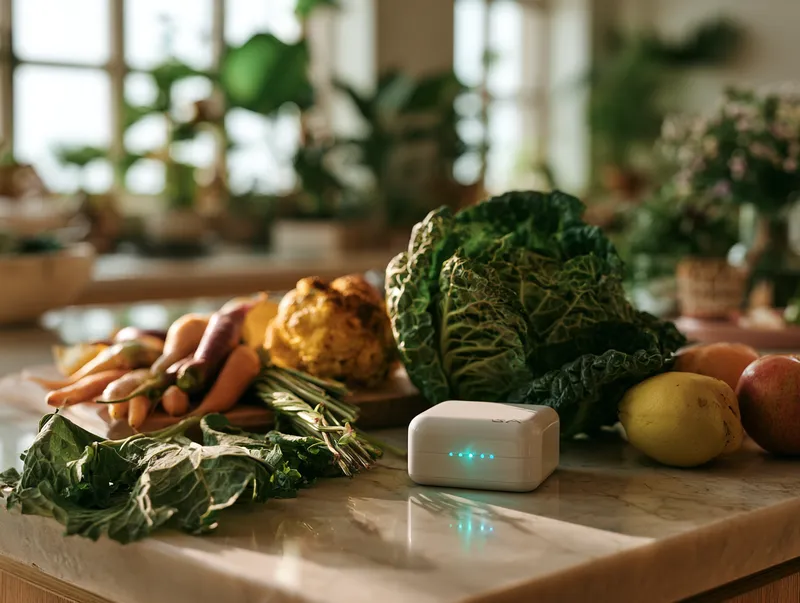
Food Storage Tracker
Monitor temperature and humidity in storage bins. Alert before spoilage.

Fall Detection Wearable
An accelerometer-based device for the elderly. SMS alert to family on impact.
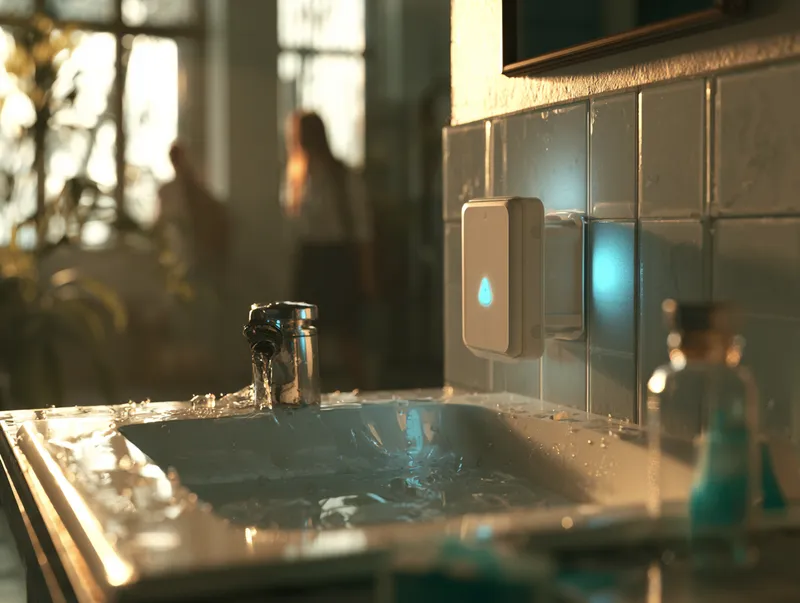
School Hand-Hygiene Reminder
A motion sensor at the school washbasin. An LED nudge between classes.
Teams may combine multiple SDGs in a single solution.
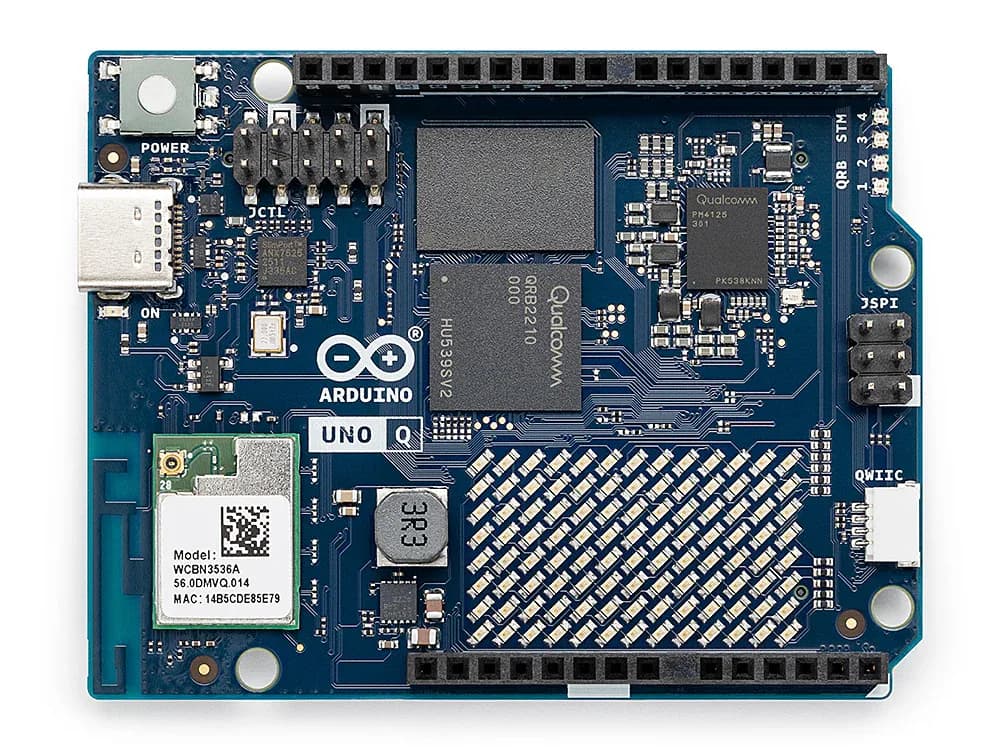
Your toolkit
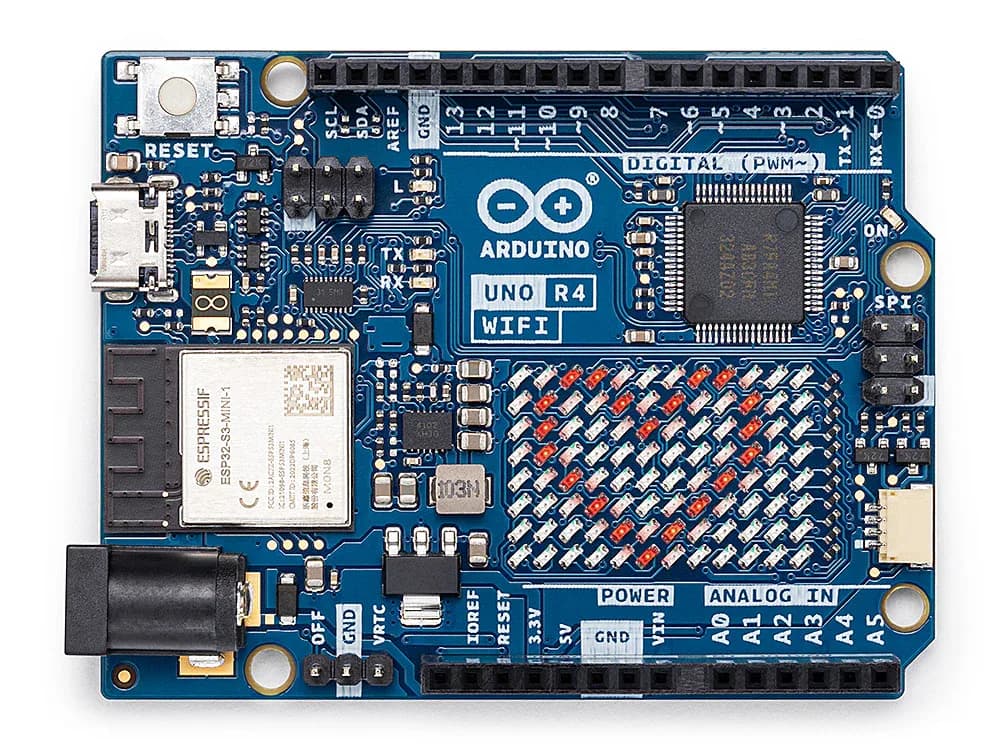
What you will work with
The jury
Judged by India's innovation leaders
What you can win
Rewards that outlast the event.
A real patent filing for your build
GSL helps winning teams file the patent application for their invention. A real filing, on the record, before you finish school.

The kit and the engineers
Qualifying students keep their Arduino kit, and join two live masterclasses with Qualcomm and Arduino engineers. Access first, hardware second.
A certificate three names stand behind
Every participant earns a certificate signed by Qualcomm, Arduino and GSL.
The winners' trophy
Top teams at each level take the trophy home from the finale.
The national stage
Fifteen finalists present live to the national jury; standouts may be featured on partner channels.
A cohort worth joining
Advance and you join the 100 teams per level headed for the national stage.
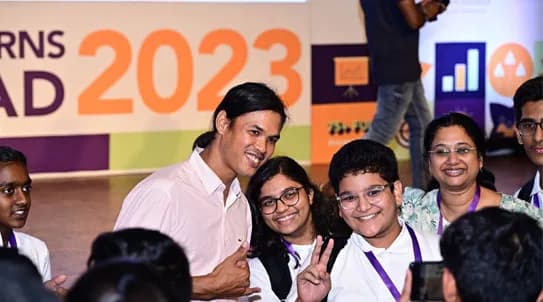
Travel to the finale, venue, awards and kits: all covered by sponsorship. No hidden costs.
The national mandate
India is betting big on young builders.
Atal Tinkering Labs
already running across 722 districts (NITI Aayog)
more ATLs announced
in government schools, Union Budget 2025
students chose AI
as a CBSE skill subject in 2024-25 alone
The WEF ranks AI and big data the fastest-growing skills to 2030. This challenge builds exactly those: sensors, circuits, code, AI thinking. Sources: PIB, CBSE, WEF Future of Jobs 2025.
Pan-India
Across 5 cities, one national stage
Your idea could solve a real problem.
Registration closes 17 August 2026. ₹199 unlocks your seat and the screening quiz. Qualifying students receive their Arduino kit.
FAQs
Questions, answered
Who can register?
Students in Grades VI to X (ages 11 to 16), from any school across India.
What does ₹199 cover?
Registration plus screening-quiz access. Qualifying students get the Arduino kit and the masterclasses at no extra cost.
Do students need their own Arduino kit to start?
No. The kit is provided after screening. Curious students can explore at gsl-store.vercel.app/store.
Can my school register multiple students at once?
Yes. Use the bulk school-registration flow.
Where does the Grand Finale happen?
At one physical location (city to be announced). Travel for finalist teams is sponsored.
What if my school is not in one of the 5 cities?
Students from any Indian school can register online. The finals are hosted in the 5 host cities.
How is cheating in the quiz prevented?
The quiz uses live monitoring for tab-switching, copy-paste and unusual response patterns. Trust scores are reviewed by the school admin.
How is winning judged?
On innovation, functionality, real-world impact and the team’s presentation. A jury of scientists, entrepreneurs, industry leaders, academicians and government officials decides.